info@yechuang-ore.com
 +8615370227893






The role of silicon-barium alloy in steel smelting.
Calcium silicate and barium are common additives in steel smelting. The silicon and barium can react with the oxygen in the steel to form oxide impurities such as silica, which are often used as deoxidizers.Moreover, unlike other types of deoxidizers, silicon calcium barium deoxidizer can exert its deoxygenation effect well in the deoxygenation process, and the deoxygenation effect is good. This is also a characteristic of multivariate deoxidizers. Let's take a look at the advantages of silicon calcium barium deoxidizer in smelting.
The application of silicon, calcium and barium in steelmaking is mainly reflected in the reaction of its chemical elements. The main elements contained in it are silicon, barium and calcium. Silicon and oxygen in molten steel can quickly generate silica and the chemical reaction is relatively affinity. After the oxygen in the molten steel is effectively separated, the presence of oxides in the steel grades can be reduced, and the purity of the molten steel can be improved, so as to achieve the application of effective deoxygenation in steelmaking and improve the quality of steel.
Calcium silicate barium is an ideal smelting material for the production of special steel. The steel produced with calcium silicate barium is of better quality. For example, our common stainless steel and rail steel are all steel products smelted using calcium silicate barium. Calcium silicate barium also has the application of improving the cutting performance and corrosion resistance of steel in the steelmaking process, and the steel produced has a longer service life. At the same time, in the steelmaking process, calcium silicate barium also has the application of improving the flow of liquid steel to make smelting more thorough.
Keywords:
Calcium silicate
You Can Also Learn More About Industry Trends
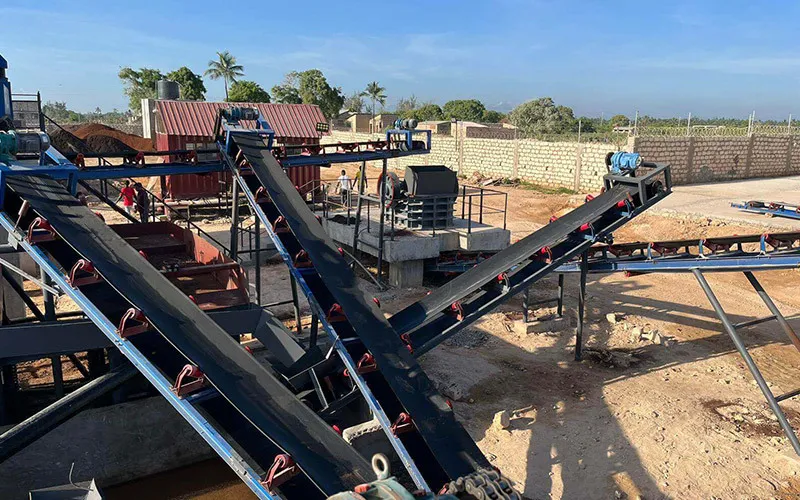 The main use of silicon manganese.
Silicon-manganese alloy is mainly used as an intermediate material for deoxidizer and alloy in steel production, and it is also the main raw material for the production of medium and low-carbon ferromanganese.
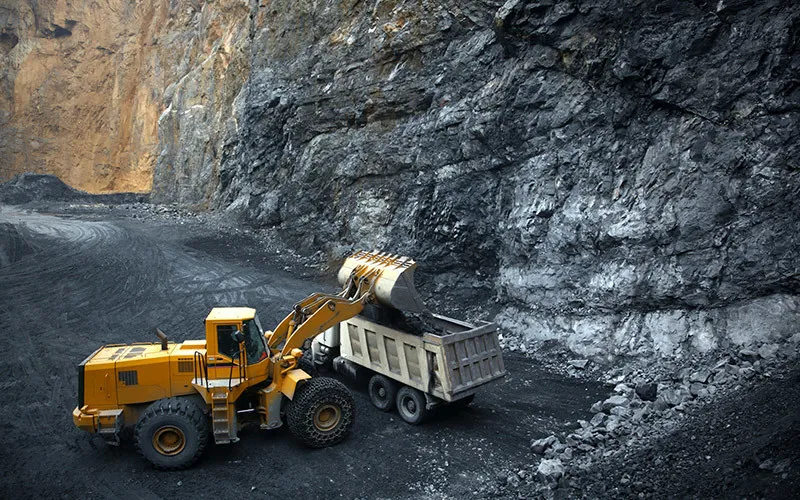 Properties of silicon carbide
Silicon carbide: It is an inorganic substance with the chemical formula SiC. It is smelted at high temperature in a resistance furnace from raw materials such as quartz sand, petroleum coke (or coal coke), and sawdust (salt is required for the production of green silicon carbide).
 The difference between heavy calcium carbonate and light calcium carbonate.
Heavy calcium carbonate is mainly a powder material obtained by mechanical grinding and processing of natural minerals such as calcite, marble, limestone, chalk, and white marble as raw materials;Light calcium carbonate is mainly a powder material obtained from limestone as raw material through processes such as calcination, digestion, carbonization, dehydration, drying, and classification.